

Maintaining a pool during the winter requires special attention to ensure it remains in good condition and ready for use when the warmer months return. Winter pool chemicals protect the pool and ensure it remains in excellent condition throughout the winter, making it trouble-free to reopen when spring arrives. Here are some essential tips and tricks for trouble-free winter pool maintenance:
- Balance chemicals: Before closing your pool for the winter, make sure the water is balanced. Adjust pH, alkalinity, and calcium hardness levels to the appropriate range. This helps prevent scale buildup and corrosion during the winter months.
- Shock the pool: Adding a dose of shock treatment to the water before closing helps eliminate any remaining bacteria and organic contaminants. This ensures the water stays clean and clear during the winter.
- Clean the pool: Remove any debris from the pool, including leaves, branches, and other organic matter. This prevents staining and algae growth over the winter months.
- Lower water level: Lower the water level in the pool to below the skimmer and return jets. This prevents damage from freezing and allows for expansion as the water freezes.
- Winterize equipment: Properly winterize your pool equipment, including the pump, filter, and heater. Drain water from the equipment, remove hoses, and store them indoors to prevent damage from freezing temperatures.
- Use a winter cover: Invest in a high-quality winter cover to protect your pool from debris, sunlight, and harsh weather conditions. Make sure the cover is securely fastened to prevent it from blowing off during storms.
- Monitor water level: Periodically check the water level in your pool throughout the winter. Heavy rainfall or snowmelt can cause the water level to rise, potentially leading to flooding or damage to the pool cover.
- Inspect regularly: Even during the winter months, it’s essential to inspect your pool regularly for any signs of damage or issues. Look for leaks, tears in the cover, or damage to equipment, and address any problems promptly.
- Winterize pipes and plumbing: If you live in a region where temperatures drop below freezing, take extra precautions to winterize your pool’s pipes and plumbing. Use pool antifreeze to protect pipes from freezing and bursting.
- Consider professional service: If you’re unsure about how to properly winterize your pool or don’t have the time to do it yourself, consider hiring a professional pool service company to handle the job for you.
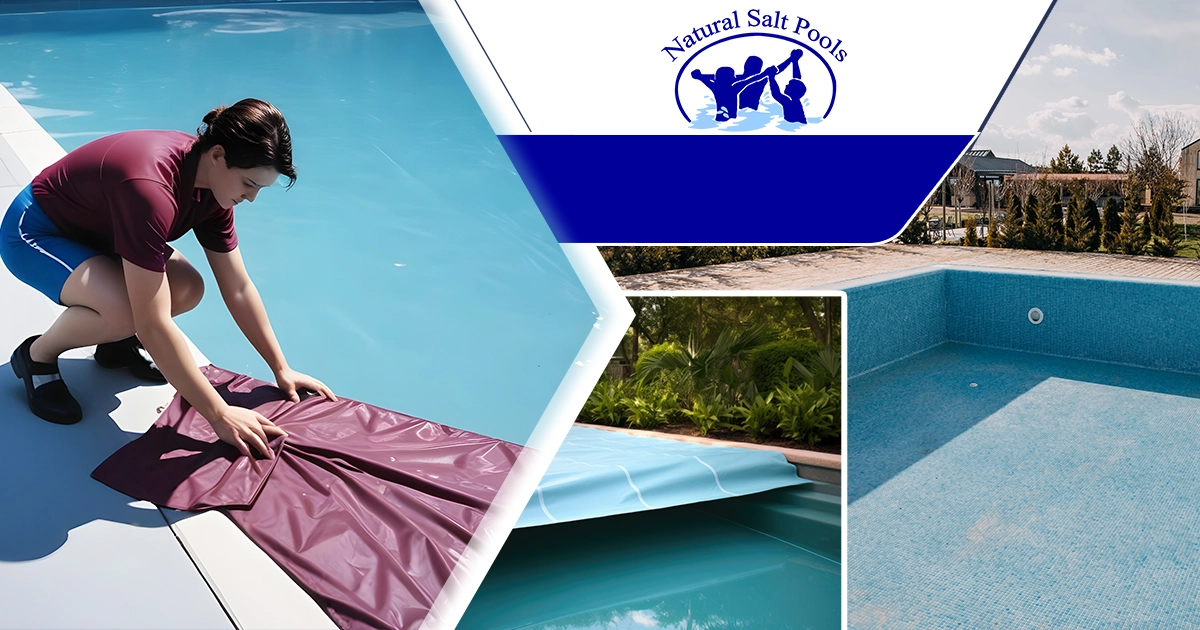
Effective Pool Closing Tips for Winter.
If you’re thinking about how to maintain an above-ground pool in winter, then Natural Salt Pool is here. Closing your pool properly for the winter is crucial to protecting it from damage and ensuring it is ready for use when the warmer months return. It will help to protect the pool during the winter and make the reopening process in the spring much easier and more efficient. Here are some effective pool-closing tips for winter:
- Inspect pool equipment: Before winterizing, inspect all pool equipment, including the pump, filter, and any accessories. Ensure they are in good working order, and clean them thoroughly. If any equipment requires repairs or maintenance, take care of it before winterizing.
- Secure the pool cover: Use water bags, cover clips, or other securing methods recommended by the cover manufacturer to ensure the cover stays in place. Make sure there are no gaps where debris can enter.
- Protect the pool liner: If your pool has a vinyl liner, avoid using sharp tools when removing ice or snow from the cover to prevent accidental punctures. A broom or a plastic shovel is safer than a metal shovel.
- Store pool accessories: Remove and clean all pool accessories, such as ladders, skimmer baskets, and toys. Store them in a dry, sheltered area to prevent damage from cold temperatures.
- Check the cover pump: If you live in an area with heavy rainfall or snowmelt, use a cover pump to remove excess water from the pool cover. Excessive water can damage the cover and put unnecessary strain on the pool structure.
- Consider a winter cover pump: If you expect significant precipitation, a winter cover pump can help manage the weight and accumulation of water and snow on your pool cover, preventing damage and making spring opening easier.
Leave a Reply