

A pool skimmer is essential for maintaining a clean and healthy swimming pool. This device is designed to remove debris such as leaves, insects, and other floating materials from the pool’s surface. A pool skimmer removes debris from the water’s surface, helps keep the pool inviting, and reduces the need for a broad clean to ensure it functions efficiently. Here’s a comprehensive guide to understanding pool skimmers and their role in pool maintenance:
Types of pool skimmers
Pool skimmers come in various types, each with its own features and advantages. Here are the main types of pool skimmers:
Automatic Skimmers: Automatic skimmers are built-in components of the pool’s filtration system and operate continuously while the pool pump is running. They’re designed to remove debris from the surface of the water automatically. There are several subtypes of automatic pool skimmer:
- Floating skimmers: These skimmers float on the surface of the water and move around, collecting debris as they go. Floating pool skimmer are powered by the pool pump’s suction.
- Wall-mounted skimmers: These skimmers are installed on the side of the pool wall and use the pump’s suction to draw water and debris into the skimmer basket.
Manual skimmers: Manual skimmers require the pool owner or maintenance personnel to physically operate them. They are handheld devices, usually consisting of a long pole with a net or basket attachment at the end. Manual skimmers are commonly used for quick cleanups and for reaching areas that automatic skimmers might miss.
Skimmer lids and accessories: Skimmer lids and accessories are not skimmers themselves but are important components that complement skimmer systems. They include:
- Skimmer lids: Cover the opening of the skimmer to prevent larger debris from entering and to provide easy access for cleaning the skimmer basket.
- Skimmer weirs: Flaps or doors that help regulate water flow into the skimmer. They adjust to changes in water levels and prevent debris from escaping back into the pool.
Specialty skimmers: Specialty skimmers are designed for specific purposes or situations. They include:
- Leaf skimmers: Designed with larger, deeper nets or baskets to handle leaves and other bulky debris more effectively.
- In-ground skimmers: Specifically designed for in-ground pools, these skimmers are installed flush with the pool wall for a seamless appearance.
- Surface-mounted skimmers: These skimmers are attached to the pool’s surface and are often used in above-ground pools or temporary pool setups.
Solar-powered skimmers: These skimmers use solar energy to power their operation. They often feature built-in solar panels that charge batteries to operate the skimmer, making them eco-friendly and cost-effective options for pool owners.
Advantages and Disadvantages of pool skimmers
Here are the advantages and disadvantages of pool skimmers:
Advantages of pool skimmers
- Efficient debris removal: Skimmers effectively remove debris such as leaves, insects, and other floating materials from the surface of the pool, preventing them from sinking to the bottom and causing more significant issues.
- Maintains water clarity: By removing debris regularly, skimmers help maintain water clarity, making the pool more visually appealing and inviting for swimmers.
- Enhances chemical distribution: Proper water circulation facilitated by skimmers ensures that pool chemicals are evenly distributed throughout the water, leading to more effective sanitation and balanced pH levels.
- Reduces manual cleaning: Automatic skimmers, in particular, reduce the need for manual cleaning, saving time and effort for pool owners.
- Contributes to overall pool health: By maintaining clean and well-circulated water, skimmers contribute to the overall health of the pool, reducing the risk of algae growth, bacterial contamination, and other water-related issues.
Disadvantages of pool skimmers
- Initial cost: The installation of built-in automatic skimmers can be expensive, especially for retrofitting existing pools with integrated systems.
- Maintenance requirements: Skimmers require regular maintenance, including emptying the skimmer basket, cleaning the skimmer weir, and inspecting for any damage or leaks.
- Limited effectiveness for large debris: While skimmers are efficient at removing small to medium-sized debris, they may struggle with larger items such as branches or large leaves. In such cases, manual intervention may be necessary.
- Potential for clogging: Skimmers themselves can become clogged with debris, particularly if the skimmer basket is not emptied regularly. This can lead to reduced skimmer efficiency and require manual cleaning to resolve.
- Not Effective for bottom debris: While skimmers excel at removing surface debris, they are not designed to clean the pool floor or walls. Additional cleaning methods, such as vacuuming or brushing, are necessary to address bottom debris.
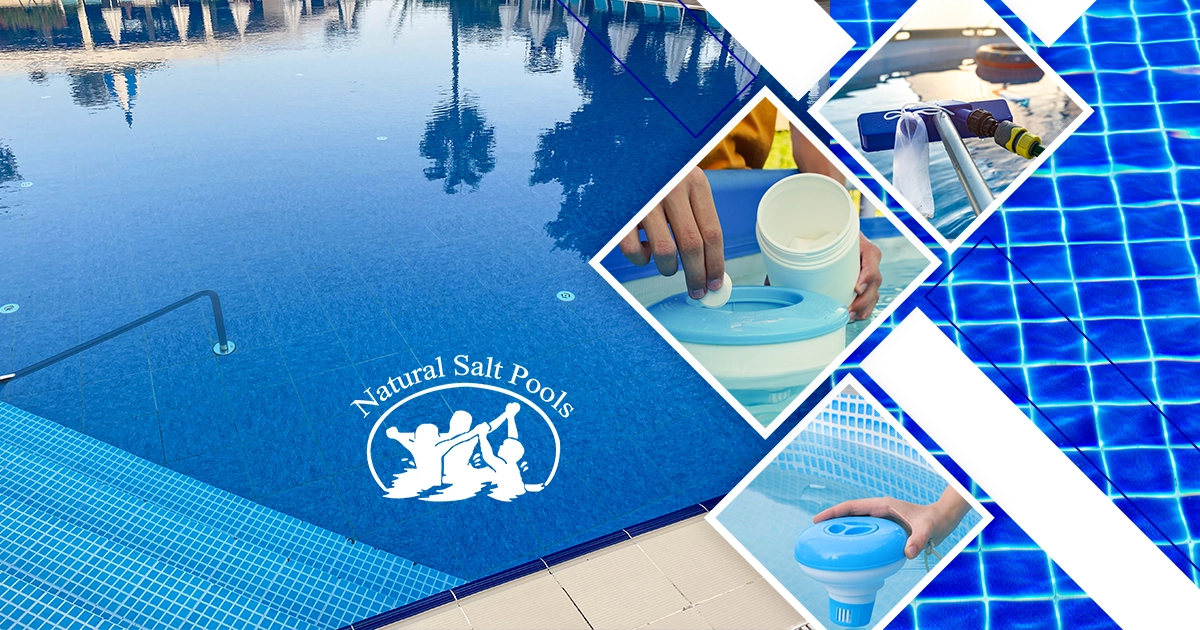
The Role and Importance of Swimming Pool Skimmers.
Swimming pool skimmers are vital components in maintaining a clean, healthy, and aesthetically pleasing pool. The working of the pool skimmer helps to remove debris, enhance water circulation, and prevent algae and bacteria growth, which is crucial for both the enjoyment and longevity of the pool. Here’s an in-depth look at their role and importance:
- Debris removal: Pool skimmers are primarily responsible for removing debris that accumulates on the surface of the water. This includes leaves, insects, twigs, grass clippings, and other debris that may fall or blow into the pool. By capturing this debris before it sinks to the bottom, skimmers help prevent water discoloration, clogged filters, and the need for more extensive cleaning.
- Water circulation: Skimmers contribute to the overall circulation of water in the pool. As they draw water from the surface, they help distribute chemicals evenly throughout the pool. Proper water circulation ensures that all areas of the pool receive adequate filtration and sanitation, reducing the risk of algae growth, bacterial contamination, and other waterborne issues.
- Enhancing filtration efficiency: By removing surface debris before it reaches the pool’s filtration system, skimmers help prevent clogs and prolong the life of the pool’s filter. This reduces the frequency of filter cleanings and maintenance, saving time and effort for pool owners while ensuring optimal filtration efficiency.
- Aesthetic appeal: Clean, debris-free water enhances the visual appeal of the pool, making it more inviting and enjoyable for swimmers. Skimmers play a crucial role in maintaining the aesthetic quality of the pool by continuously removing debris from the surface and keeping the water sparkling and clear.
- Prevention of algae growth: Surface debris such as leaves and organic matter can serve as nutrients for algae growth if left unchecked. By removing this debris promptly, skimmers help deprive algae of the nutrients they need to thrive, thus reducing the likelihood of algae blooms and the need for algaecides and other chemical treatments.
- Time and labor savings: Automatic skimmers, in particular, provide continuous debris removal without the need for manual intervention. This saves pool owners time and effort that would otherwise be spent manually skimming the pool’s surface. Instead, pool owners can rely on the automatic operation of skimmers to keep the pool clean and debris-free.
Leave a Reply