

Professional help may be needed for pool algae cleaning . Pool algae cleaners will ensure that it is safe and effective. Removing pool algae yourself can be time confusing but with professional help it can be done safely and effectively and will help prevent future algae growth. For a pool algae, Pool algae vacuum is a specialized vacuum designed to remove algae from the bottom and sides of a swimming pool. It can be an effective way to remove stubborn algae from the pool. Pool algae vacuums are equipped with special brushes and filters which can capture and remove even the smallest particles of algae from the pool. Some of the reasons why you need professional help in removing the pool algae is pool algae in winter. Pool algae winter will grow in the pool even if you close the swimming pool. Algae will grow and to remove it consulting with a professional pool cleaner is the best way. So here are some professional help that will help you in removing the pool algae:
- Proper Identification: Identifying the type of algae present in your pool is crucial to determining the most effective treatment plan. A professional pool cleaner can identify the type of algae and recommend the appropriate treatment to eliminate it.
- Experience and Expertise: Professional pool cleaners have years of experience and expertise in removing algae from pools and cleaning dirty pools . They know the right techniques, chemicals, and equipment needed to get rid of the algae effectively without damaging the pool or its equipment.
- Time-Saving: Removing algae from a pool can be a time-consuming process, and it requires a lot of effort and attention to detail. A professional pool cleaner can get the job done quickly and efficiently, allowing you to enjoy your pool as soon as possible.
- Safety: Algae can make your pool slippery, increasing the risk of slips and falls. A professional pool cleaner has the right safety equipment and knows how to handle the chemicals safely to minimize the risk of accidents.
- Prevention: A professional pool cleaner can not only remove the algae but also take steps to prevent it from coming back. They can advise you on the right maintenance and cleaning practices to keep your pool free of algae in the future.
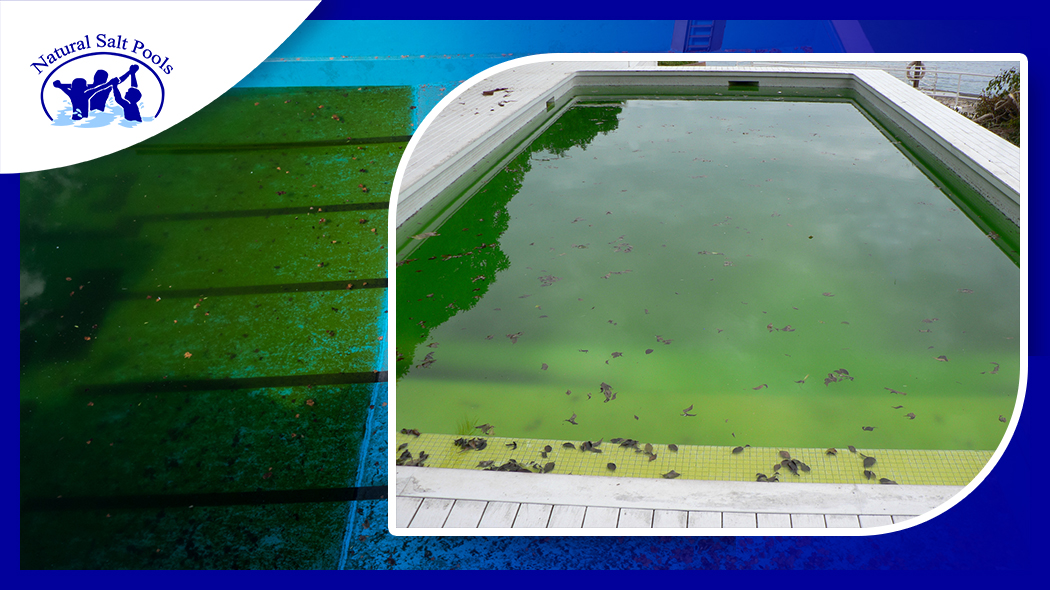
Different types of algae in the swimming pool.
There are several different types of algae that can grow in a swimming pool. Here are the most common types:
- Green Algae: This is the most common type of algae found in swimming pools. It’s usually the first to appear and can quickly spread across the pool, turning the water green. Green algae can be removed with chlorine shock treatment and regular brushing.
- Black Algae: Black algae is a tough and stubborn type of algae that can form in the corners and crevices of the pool. It appears as dark black spots and can be difficult to remove. Specialized treatments and scrubbing are needed to remove black algae.
- Mustard Algae: Mustard algae is a yellowish-green color and can appear in shady areas of the pool. It is also resistant to normal chlorine levels and requires specialized treatment to get rid of.
- Pink Algae: Pink algae is not actually an algae but a type of bacteria. It appears as pink or reddish-colored spots in the pool and can be challenging to eliminate. Specialized treatments are needed to remove pink algae.
- Blue-Green Algae: Blue-green algae is a type of bacteria that can grow in warm, nutrient-rich water. It can appear in different shades of green and can cause skin irritation and other health issues. Blue-green algae requires specialized treatment to eliminate.
It’s important to identify the type of algae in your pool to determine the most effective treatment plan. A professional pool cleaner can help you identify and treat the algae in your pool, ensuring that your pool stays clean, safe, and enjoyable to use.
Leave a Reply