
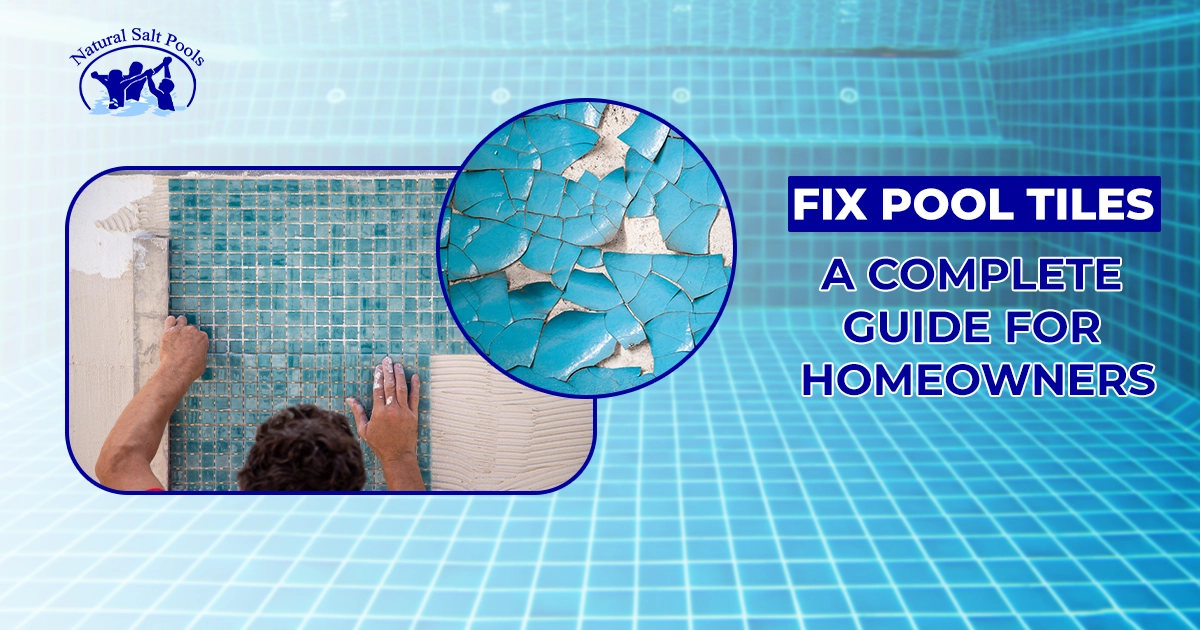
If you’ve noticed cracked, loose, or discolored tiles around your pool’s waterline, you’re not alone. Pool tiles take a beating year-round, especially here in Hawaii, where sun, salt, and constant water exposure push materials to their limit. The good news is that most tile problems are fixable, and catching them early can save you thousands in avoidable pool repair down the road.
This guide walks you through why pool tiles fail, how to tell the difference between a quick fix and a full replacement, and what to expect from a professional pool tiles repair guide approach versus a DIY patch job.
Why Pool Tiles Get Damaged in the First Place
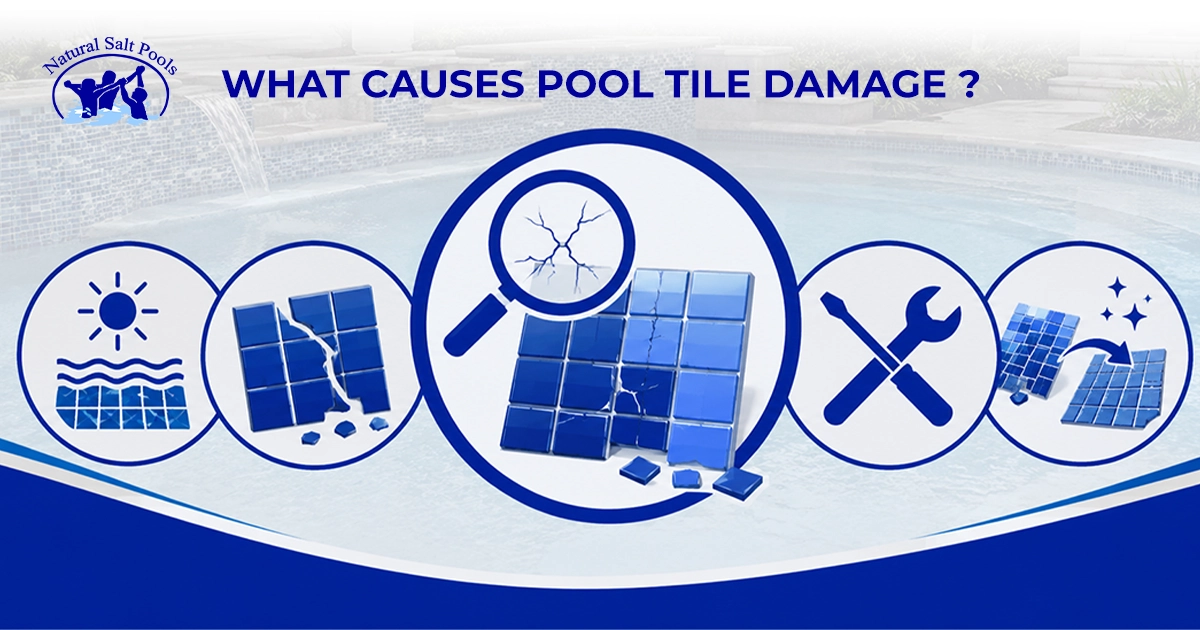
Pool tiles are built to handle water, but they’re not indestructible. A few common culprits are usually behind the damage:
Calcium and mineral buildup. Hard water leaves behind calcium deposits that creep along the grout lines and tile edges. Over time, this buildup doesn’t just look bad, it can force tiles to lift away from the surface underneath.
Chemical imbalance. Pool water that’s too acidic or too alkaline eats away at grout and weakens the bond holding tiles in place. This is one of the most preventable causes of damage, which is why proper water chemistry matters just as much for your tiles as it does for your equipment and liner.
Ground shifting and structural movement. Especially in island climates, soil movement and hydrostatic pressure underneath the pool shell can cause tiles to crack or pop off entirely.
UV exposure and temperature swings. Constant sun exposure combined with day-to-night temperature changes causes tile adhesive and grout to expand, contract, and eventually crumble.
Age and wear. Like anything else, tile and grout have a lifespan. Pools that haven’t had grout maintenance in 10+ years are prime candidates for widespread tile issues.
Signs You Need to Fix Pool Tiles Soon
Not every crack means disaster, but ignoring small problems almost always leads to bigger ones. Watch for:
- Loose or hollow-sounding tiles when tapped
- Visible cracks in grout lines around the waterline
- Tiles that have shifted, popped off, or gone missing entirely
- Rough, jagged edges that could cut swimmers
- Persistent discoloration or staining that cleaning won’t remove
- Water leaking near tiled sections (a sign the damage may run deeper than cosmetic)
If you’re seeing any of these, it’s worth getting a professional opinion before the problem spreads to neighboring tiles or the pool structure itself.
Pool Tile Repair vs. Pool Tile Replacement: How to Decide
This is the question most homeowners struggle with, and honestly, it depends on the scope of the damage.
Repair makes sense when:
- Only a handful of tiles are cracked or loose
- The surrounding grout is still structurally sound
- The damage is isolated to one section (like the waterline)
- Your pool’s overall structure and plaster are in good shape
A pool grout repair or spot pool tile replacement in these cases is usually quick, affordable, and can often be done in a single visit.
Full replacement makes sense when:
- Damage is widespread across multiple sections
- Tiles are 15-20+ years old and showing consistent wear
- There’s evidence of structural movement or shifting beneath the tile line
- You’re already planning a pool resurfacing project and want a fresh, matching look
If your pool is due for resurfacing anyway, it’s often smarter to handle pool tile replacement at the same time rather than paying for two separate jobs down the line.
Understanding Pool Tile Repair Cost
Pool tile repair cost varies quite a bit depending on a few factors: how many tiles need attention, the type of tile (glass, ceramic, or natural stone), accessibility, and whether grout work is involved. A small, isolated repair is typically far less expensive than replacing an entire waterline or dealing with tiles that have caused deeper leak issues.
The most cost-effective approach is always the same: address small problems while they’re still small. A pool tile repair job that catches a handful of loose tiles today is far cheaper than the repair broken pool tiles project that happens after months of water intrusion have damaged the surrounding structure.
DIY Pool Tile Fixes vs. Calling a Professional
There are a few minor fixes homeowners can reasonably handle, cleaning mineral deposits with a non-abrasive pool-safe cleaner, for example, or touching up small grout gaps with pool-rated grout.
However, most tile work should be left to a licensed professional, because:
- Tile adhesive and grout used around pools need to be waterproof and pool-chemical resistant, standard hardware store products often aren’t rated for this
- Removing damaged tile without cracking neighboring pieces takes practice
- Diagnosing why tiles failed (chemistry, structural movement, or age) requires experience to avoid a repeat problem
- Working around pool equipment, plumbing, and electrical near the waterline carries real risk if done incorrectly
A botched DIY tile job can also void warranties or create bigger leaks than the ones you started with, which ends up costing more than professional pool tile renovation from the start.
How Natural Salt Pools Approaches Pool Tile Repair
At Natural Salt Pools LLC, we’ve been repairing and restoring pools across Oahu since 1994. Our approach is simple: we fix what can be fixed before recommending a replacement. We don’t believe in upselling homeowners into bigger projects than they need.
When you bring us a tile issue, we start by identifying the root cause, whether that’s water chemistry, structural movement, or straightforward wear and tear, so the fix actually lasts. If a few tiles need attention, we handle it efficiently. If your pool needs a broader tile replacement or is due for resurfacing, we’ll walk you through your options honestly, with no pressure either way.
As a locally trusted, licensed, and insured swimming pool contractor in Oahu, we treat every pool tile repair or replacement like it’s our own pool on the line.
Final Thoughts
Pool tile damage is common, but it doesn’t have to be complicated. The key is catching problems early, understanding whether you’re looking at a simple grout repair or a bigger tile replacement project, and working with a contractor who tells you the truth about what your pool actually needs.
If you’re noticing cracked, loose, or missing tiles around your pool, don’t wait for the problem to spread. Contact Natural Salt Pools today to schedule an inspection and get your pool tiles looking, and functioning, like new again.
Leave a Reply